Antenatal Physiotherapy

Specialist Pregnancy Physiotherapy

Pregnancy brings extraordinary changes to your body, but growing a new life shouldn’t mean living with discomfort or pain. At Recover Physio, we offer antenatal physiotherapy, a dedicated, specialist branch of women’s healthcare that offers targeted support to help you manage pain through pregnancy, prepare for birth, and move comfortably throughout every trimester.

Antenatal physiotherapy helps support the distinct biomechanical, hormonal, and anatomical shifts occurring in expectant mothers. Our goal at Recover Physio is simple: to keep you active, comfortable, and confident from early pregnancy through to your postnatal recovery.

What Is Antenatal Physiotherapy?

Antenatal physiotherapy is a specialised clinical discipline focused on preventing, assessing, and treating pain caused by musculoskeletal issues and pelvic floor dysfunction during pregnancy.

While general physiotherapy treats standard joint or muscle conditions, antenatal physio accounts for key physiological changes such as altered weight distribution, ligamentous laxity caused by hormones, and changing core stability as your baby bump grows. Early assessment and intervention can prevent minor aches from escalating into severe, activity-limiting conditions.

google
Lesley Everett
07/05/2026
google
Dan Coman
27/04/2026
google
Emily Browne
20/02/2026
google
John Barnes
16/10/2023
google
google
Linda Mortimer
22/09/2022
Written by Leah Upton
Updated on 28/Oct/2026
Medical review by Stuart Wardle

More Information

Opening Hours

  • Monday8am – 8pm
  • Tuesday8am – 5pm
  • Wednesday8am – 8pm
  • Thursday8am – 8pm
  • Friday8am – 5pm
  • Saturday9am – 1pm
  • SundayCLOSED

Pregnancy Physiotherapy in Norwich & Norfolk

At Recover Physio, we provide expert antenatal physiotherapy across our Norwich branches. Whether you are experiencing severe pelvic pain or simply want to prepare your pelvic floor for labour, our women’s health team is here to guide you.

Book an appointment

When booking online, please select “Women’s Health Physiotherapy First appointment” from the list of appointment types.

Common Pregnancy Conditions We Treat

As your bump grows, your weight distribution changes placing extra demand on your joints, tendons, and muscles. At our Norwich clinics, we regularly treat:

  • Back pain: Pain in the lumbar spine or upper back caused by changes in your posture and pelvic position. 
  • Pelvic Girdle Pain (PGP): Discomfort or sharp pain at the front or back of your pelvis.
  • Sciatica: Irritation of the sciatic nerve, causing shooting pain, numbness, or tingling down the buttocks and legs.
  • Hip pain: Aches along the outer hip joints or groin, often worsening while lying on your side at night.
  • Stress incontinence:  Unexpected bladder leaks when coughing, sneezing, or exercising.
  • Urge incontinence: The feeling of urgency and needing to rush to the toilet, often accompanied by leakage. 
  • Carpal tunnel syndrome: Swelling in the wrists pressing on the median nerve, leading to numb, tingling fingers.
  • Coccyx pain (Coccydynia): Sharp or aching pain at the base of the spine, particularly noticeable when sitting.
  • Symphysis Pubis Dysfunction (SPD): Pain specifically localised over the pubic bone at the front of the pelvis.
  • Rib pain: Pressure and strain around the ribcage as your growing baby occupies more space.

The Physiological Changes That Make Antenatal Physiotherapy Necessary

Understanding why pain occurs during pregnancy can make it much easier to manage. Your body undergoes remarkable alterations, including:

  • Hormonal relaxation: The hormone relaxin increases ligamentous laxity to prepare the pelvis for birth. However, this extra laxity can cause joint instability and pain. Your muscles then need to work harder to stabilise your joints leading to muscular aches and strains. 
  • Shifted centre of gravity: As your baby bump grows, your weight shifts forward. To compensate, you may arch your lower back, placing more strain on the lumbar spine and pelvis. 
  • Abdominal separation (Diastasis Recti): As your uterus grows, the two sections of your abdominal muscles in your stomach stretch apart. Without proper management, this can reduce core support and contribute to back pain.
  • Pelvic floor strain: Carrying the growing weight of your baby increases downforce on the pelvic floor muscles, which can lead to weakness, tightness, or incontinence.

While these physiological changes are a natural part of growing your baby, living with the pain they cause doesn’t have to be. Recover Physio’s specialist women’s health team can work with you to create a tailored treatment plan for a comfortable pregnancy.

What Happens in an Antenatal Physiotherapy Assessment at Recover Physio?

Your initial appointment is a thorough session designed to understand your specific symptoms and goals.

  1. Subjective Assessment: We discuss your medical history, your pregnancy journey so far, daily activity levels, and symptom triggers.
  2. Objective Movement Screening: We evaluate your posture, spinal alignment, gait patterns, and joint movement.
  3. Core Evaluation: We safely check for diastasis recti and assess the function, coordination, and strength of your core muscles. 
  4. Targeted Testing: We conduct specific clinical tests to establish an evidence based diagnosis. 
  5. Personalised Treatment Plan: Together, we establish a realistic recovery roadmap tailored to your pregnancy milestones.

Physiotherapy Treatment Approaches for Pregnancy Related Back Pain

Back pain is a common and normal condition affecting half of all pregnancies. At Recover Physio, we use evidence-based, safe, hands-on techniques paired with simple home exercises to treat it. While all back pain treatment plans are unique, they typically include:

  • Manual therapy: Soft tissue therapy to release tight muscles and restore movement. We use different positioning during pregnancy to ensure you and your baby are safe and comfortable. 
  • Tailored exercise plans: Personalised exercises designed to safely build core, glute, and back strength.
  • Ergonomic guidance: Practical advice on sitting at work, getting in and out of the car, and lying comfortably in bed.
  • Support belts and bracing: Expert fitting recommendations for pelvic support belts to offload strained joints when walking.

Labour and Birth Support Through Pregnancy

Alongside pain relief, pregnancy physiotherapy is also about preparing your body physically for labour.

  • Identify optimal positions for labour: Learn active birth movements and positions that open the pelvis and relieve strain.
  • Breathing & relaxation: Master breathing techniques that assist during contractions and keep your pelvic floor relaxed during the early stages of birth.
  • Pelvic floor awareness: Developing proper conscious control allows you to relax these muscles effectively during the second (pushing) stage of labour.
  • Peroneal massage: We teach all our pregnant ladies the correct technique and timing of completing peroneal massage to reduce the risk of peroneal tears during delivery.

Postnatal Physiotherapy

Your rehabilitation journey doesn’t end at delivery. Postnatal care focuses on helping your body recover safely.

Rehabilitation typically extends into the fourth trimester with early postnatal assessments that screen for diastasis recti recovery and pelvic floor integrity. To ensure you rebuild strength safely without overstressing recovering tissues, your therapist will design a gradual, structured return-to-exercise plan while providing targeted therapy to manage any lingering postnatal back, wrist, or pelvic girdle pain.

Learn more about postnatal physiotherapy here.

Meet Our Women’s Health Team

Our Women’s Health team is made up of dedicated practitioners who are passionate about supporting women through every stage of life.

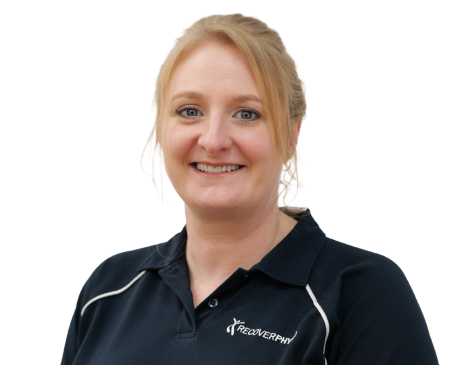
  • Leah Upton – Chartered Physiotherapist: Leah has a special interest in Women’s Health physiotherapy, particularly urinary incontinence, pregnancy-related pain, and postnatal recovery.
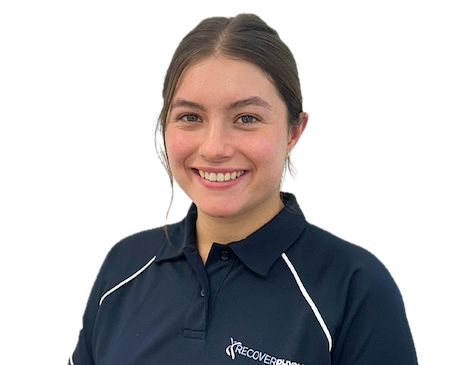
  • Mel Lake – Soft Tissue Therapist: Mel is trained in pregnancy and labour massage, advanced soft tissue release, and scar management.

Together, our team provides compassionate, evidence-based care tailored to your individual needs, goals, and stage of life.

Mel Lake

Mel Lake

Soft Tissue Therapist

Mel Lake has worked in the beauty industry for over 20 years within a range of environments, from…

Read More
Leah Upton

Leah Upton

Physiotherapist

Leah is a Chartered Physiotherapist who takes a personalised, evidence-based approach…

Read More

Speak to a Therapist

If you would like to discuss your condition to find out how we can help, you can speak to one of our friendly therapists. Just click below to request a callback from a member of our team.

Alternatively, if you would like to get going with your treatment straight away, you can book a Women’s Health Initial Assessment online by clicking the link below.

Find Your Nearest Recover Physio Clinic

Recover Physio proudly provides expert physiotherapy services in Norwich. With two convenient locations in the city centre on Princes Street and at The Nest just off Holt Road, we are committed to serving the Norfolk community.

Princes Street, Norwich City Centre

Our Princes Street clinic is the flagship clinic of Recover Physio, situated in the heart of Norwich city centre in Tombland.

The Nest, Holt Road - Norwich North

Our clinic at The Nest serves customers in Norwich and surrounding areas of North Norwich and Norfolk.