Physiotherapy for Menopause

Menopause Physiotherapy in Norwich & Norfolk

Menopause brings a range of hormonal and physical changes that can affect your muscles, joints, pelvic health, and overall wellbeing.

While symptoms such as hot flushes and changes in mood are widely recognised, menopause can also affect muscle strength, joint comfort, bone health, and pelvic health. These changes can have a significant impact on how you feel and move day to day.

At Recover Physio, we provide evidence-based physiotherapy to help you manage these changes, reduce pain, maintain strength and mobility, and feel more confident in your body.

What Is Physiotherapy for Menopause?

Physiotherapy can help you manage the physical changes associated with menopause through personalised exercise, hands-on treatment where appropriate, and practical advice. Your programme may include strength and mobility exercises, core and pelvic floor rehabilitation, and strategies to manage pain, support joint health, and maintain confidence in everyday movement.

Physiotherapy can complement medical treatments such as Hormone Replacement Therapy (HRT). While HRT helps manage the effects of changing hormone levels, physiotherapy focuses on movement, strength, physical symptoms, and musculoskeletal and pelvic health. Together, these approaches can form part of a personalised approach to managing menopause-related changes.

Our evidence-based physiotherapy strategies focus on:

  • Pain Management and Fatigue: Personalised exercise, movement, and pacing strategies can help ease joint and muscle pain, manage fatigue, and gradually build strength and stamina without doing too much too soon.
  • Pelvic Floor and Sexual Wellbeing: Hormonal changes frequently lead to pelvic floor dysfunction or weakness, which can cause incontinence, prolapse symptoms, or pain during sex. Women’s health physiotherapy can help improve strength and relaxation, manage symptoms, and support your comfort and confidence. 
  • Overall Quality of Life: Improving strength, mobility, and confidence can help you stay active, manage everyday activities more comfortably, and support your physical and emotional wellbeing through menopause and beyond.
google
Lesley Everett
07/05/2026
google
Dan Coman
27/04/2026
google
Emily Browne
20/02/2026
google
John Barnes
16/10/2023
google
google
Linda Mortimer
22/09/2022
Written by Leah Upton
Updated on 28/Oct/2026
Medical review by Stuart Wardle

More Information

Opening Hours

  • Monday8am – 8pm
  • Tuesday8am – 5pm
  • Wednesday8am – 8pm
  • Thursday8am – 8pm
  • Friday8am – 5pm
  • Saturday9am – 1pm
  • SundayCLOSED

Menopause Physiotherapy in Norwich & Norfolk

At Recover Physio, our dedicated Women’s Health team provides specialist support for the physical changes associated with menopause across our two Norwich clinics. Whether you’re experiencing new joint aches, changes in pelvic health, or other menopause-related symptoms, we offer compassionate, personalised care tailored to your needs and goals.

Book an appointment

When booking online, please select Women’s Health Physiotherapy First appointment.

Common Menopause-related Conditions We Treat

We treat a wide range of menopause-related conditions, including:

  • Pelvic floor conditions including Stress Incontinence, Urge Incontinence, Pelvic Organ Prolapse, Vaginismus, Pain during sex or vaginal penetration, Over active bladder. If you would like more information see our Pelvic Floor Physiotherapy page. 
  • Pelvic Girdle Pain: Pain around the pelvis, hips, pubic bone, or lower back, which may be influenced by changes in muscle function and movement.
  • Sciatica: Pain that travels from the lower back or buttock into the leg, sometimes involving irritation or sensitivity of the nerves in the lower back and pelvis.
  • Chronic Pelvic Pain: Persistent pain in the pelvis that may involve the muscles, nerves, bladder, bowel, reproductive organs, or other surrounding structures.
  • Menopause-Related Joint and Muscle Changes: Hormonal changes during menopause can contribute to joint stiffness, muscle aches, and changes in tendon and joint health.
  • Bone Health and Osteoporosis Prevention: Falling oestrogen levels during menopause can contribute to a loss of bone density, increasing the risk of osteopenia and osteoporosis. We provide personalised weight-bearing and resistance exercises to help maintain bone strength and support healthy movement.

Understanding Menopause and Its Physical Impact on the Body

Menopause is reached 12 months after your last menstrual period, while the perimenopausal transition can last for several years. During this time, changing hormone levels can affect many parts of the body, including your muscles, joints, bones, tendons, and pelvic tissues.

As oestrogen levels decline, some women experience changes such as joint stiffness, muscle aches, reduced strength, changes in bone density, and increased sensitivity or discomfort. You may also notice changes in your physical recovery and energy levels.

Symptoms such as hot flushes and night sweats can disrupt sleep, contributing to tiredness and making it harder to stay active. Pain, fatigue, and reduced activity can then contribute to loss of strength and mobility over time.

Physiotherapy can help you stay active and manage these physical changes. Your physiotherapist can assess your strength, mobility, movement, and pelvic health, then develop a personalised programme to reduce discomfort, build strength, improve confidence, and support your long-term physical wellbeing.

What to Expect From An Initial Physiotherapy Assessment for Menopausal Women

Your initial assessment is a comprehensive, confidential session designed to understand your physical health and personal goals. We take the time to listen to your concerns and conduct a thorough physical evaluation. 

Your Health History: We’ll talk through your menopause journey, current symptoms, sleep, daily routine, activity levels, exercise habits, medications and HRT, pregnancy and childbirth history, previous injuries, and anything else that may be affecting how you feel and move.

Physical Examination: We’ll assess your posture, movement, muscle strength, joint mobility, and balance to understand how your body is moving and identify any areas that may need support.

Specialised Screening: Where appropriate, we may use simple assessment tools to better understand your pelvic health, joint comfort, strength, and everyday movement. This helps us tailor your treatment to your individual needs.

How We Develop your Physiotherapy Treatment Plan

Following your assessment, your physiotherapist will use the findings to create a personalised treatment plan based on your goals, lifestyle, and individual needs.

Your personalised plan balances immediate symptom relief with long-term progress. We’ll work together towards clear, achievable goals to help you feel more comfortable now while building the strength, mobility, and confidence to support your long-term health and function.

While treatment plans are unique, they typically include:

  • Home Exercise Plan: Specific, personalised exercises designed to build strength, support bone health, and help you stay strong, active, and confident in your everyday life.
  • Manual Therapy: Targeted hands-on techniques, such as soft tissue massage and joint mobilisation, to ease muscle tension, reduce discomfort, and improve movement.
  • Pelvic Floor Exercises: Personalised, guided exercises to improve pelvic floor strength, coordination, and relaxation, based on your individual needs.
  • Education and Lifestyle Guidance: Practical advice on posture, sleep, daily activities, and pacing to help manage symptoms, reduce fatigue, and support your overall wellbeing.

We work collaboratively with you, regularly reviewing and adapting your plan as your symptoms evolve through perimenopause and postmenopause.

Meet Our Women’s Health Team

Our Women’s Health team is made up of dedicated practitioners who are passionate about supporting women through every stage of life.

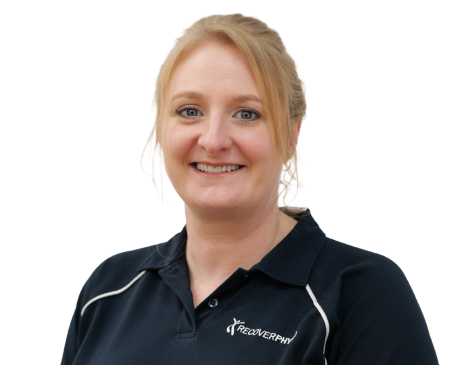
  • Leah Upton – Chartered Physiotherapist: Leah has a special interest in Women’s Health physiotherapy, particularly urinary incontinence, pregnancy-related pain, and postnatal recovery.
  • Mel Lake – Soft Tissue Therapist: Mel is trained in pregnancy and labour massage, advanced soft tissue release, and scar management.

Together, our team provides compassionate, evidence-based care tailored to your individual needs, goals, and stage of life.

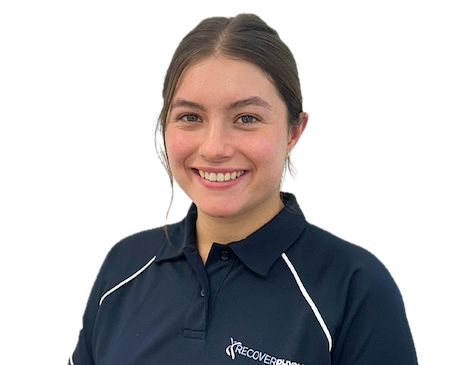
Mel Lake

Mel Lake

Soft Tissue Therapist

Mel Lake has worked in the beauty industry for over 20 years within a range of environments, from…

Read More
Leah Upton

Leah Upton

Physiotherapist

Leah is a Chartered Physiotherapist who takes a personalised, evidence-based approach…

Read More

Speak to a Therapist

If you would like to discuss your condition to find out how we can help, you can speak to one of our friendly therapists. Just click below to request a callback from a member of our team.

Alternatively, if you would like to get going with your treatment straight away, you can book a Women’s Health Initial Assessment online by clicking the link below.

Find Your Nearest Recover Physio Clinic

Recover Physio proudly provides expert physiotherapy services in Norwich. With two convenient locations in the city centre on Princes Street and at The Nest just off Holt Road, we are committed to serving the Norfolk community.

Princes Street, Norwich City Centre

Our Princes Street clinic is the flagship clinic of Recover Physio, situated in the heart of Norwich city centre in Tombland.

The Nest, Holt Road - Norwich North

Our clinic at The Nest serves customers in Norwich and surrounding areas of North Norwich and Norfolk.