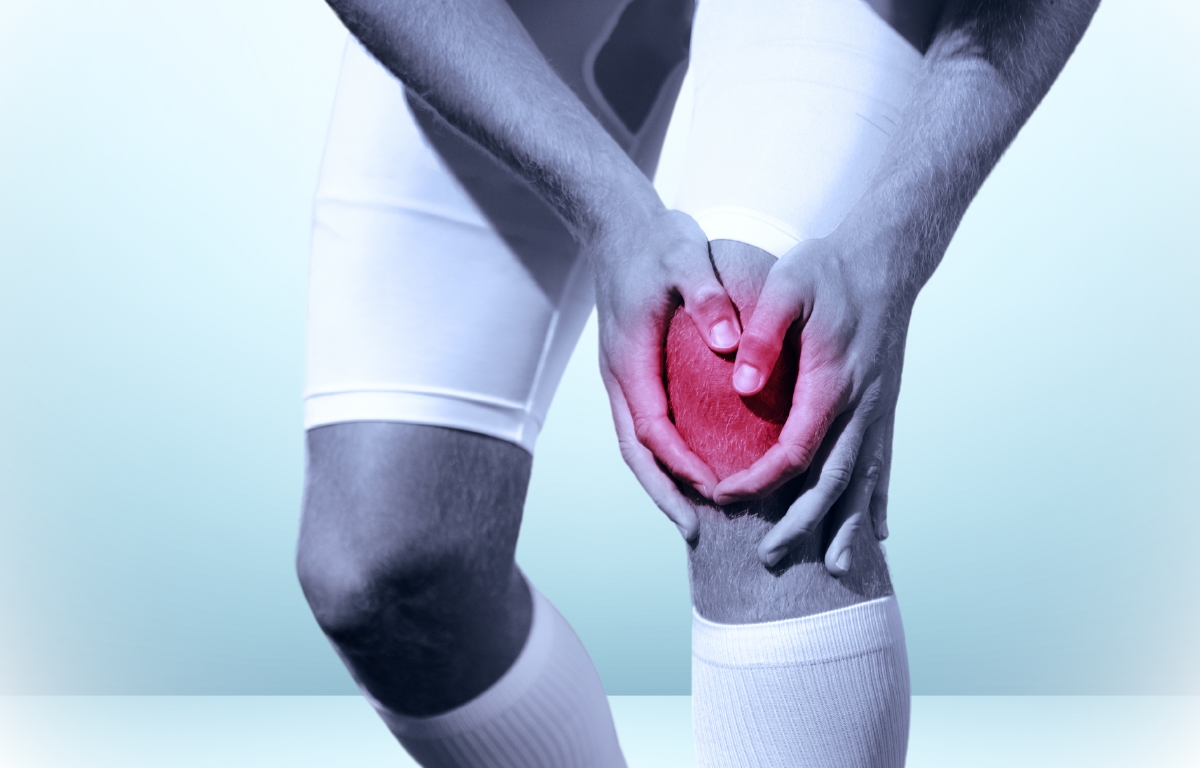
Expert Runner’s Knee Treatment

Expert Runner’s Knee Treatment in Norwich

Whether you are a seasoned marathon runner or someone who enjoys a brisk weekend walk, knee pain can be a frustrating barrier to staying active. One condition, commonly known as runner’s knee, is one of the most frequent issues we see at Recover Physio. While it often affects athletes, it can impact anyone who is physically active, turning simple movements into a source of dread. At Recover Physio, we focus on a permanent recovery for our patients, moving beyond temporary pain management to address the root cause of your discomfort.

What is Runner’s Knee? (Patellofemoral Pain Syndrome)

Patellofemoral Pain Syndrome (PFPS) is the clinical term for runner’s knee. To understand this condition, it helps to look at the simple anatomy of the joint: the patella (kneecap) sits in a groove on the femur (thigh bone), sliding up and down as you bend and straighten your leg. 

Runner’s knee occurs when the joint becomes irritated, often due to the kneecap not tracking correctly within that groove.

If you are suffering from this condition, you might experience:

  • A persistent, dull ache behind or around the kneecap
  • Tenderness at the front of the knee
  • A  grinding or clicking sensation when moving the joint
  • Increased pain when climbing stairs, squatting, or even sitting for long periods
google
Billy Rayner
09/07/2026
google
Val
07/07/2026
google
H C
25/06/2026
google
Peter Smith
27/04/2026
google
David Field
16/04/2026
google
duncan west
05/03/2026
google
google
Libby Thorne
04/02/2026
google
google
google
Alan Steadman
29/11/2025
google
Carol Webb
02/10/2025
google
Janette Bate
13/08/2025
google
paul mcdonald
28/05/2025
google
Paul Edmonds
30/11/2024
google
google
Georgia Taylor
14/09/2022
Written by Written by Henry Ready
Updated on 16/Oct/2026
Medical review by Stuart Wardle

More Information

Opening Hours

  • Monday8am – 8pm
  • Tuesday8am – 5pm
  • Wednesday8am – 8pm
  • Thursday8am – 8pm
  • Friday8am – 5pm
  • Saturday9am – 1pm
  • SundayCLOSED

What causes Runner’s Knee?

While overuse is a primary factor, especially if you have recently increased your training volume or intensity, the cause of runner’s knee is often more complex than just “running too much.” In many cases, the knee is simply the victim, not the root of the problem.

Common causes of runner’s knee include:

  • Muscle Weakness: Lack of strength in the hips, glutes, and core can lead to poor alignment, forcing the kneecap out of its natural track, placing extra stress on it. 
  • Sudden Training Increases: Rapidly changing your distance or pace without allowing the body to adapt. 
  • Biomechanical Issues: Poor running gait or foot mechanics can place uneven pressure on the joint.
  • Daily Strain: It is not just sport that causes issues; repetitive strain from walking up stairs or prolonged sitting can also trigger symptoms.

Effective Steps for Recovery

Recovering from runner’s knee requires a balanced approach that combines immediate care with long-term rehabilitation.

  1. Immediate Care: In the early stages of a flare-up, we help you to manage swelling and acute pain, allowing the knee pain to subside and allow us to progress your treatment.
  2. Activity Modification: Total rest is rarely the answer and can often lead to further weakness. Instead, we recommend low-impact movements to maintain. strength without aggravating the joint.
  3. Biomechanical Correction: As how you move plays such a big part in runner’s knee, we assess and diagnose the problem and provide you with progressive correction exercises to take the load off of the knee, allowing you to get back to running safely. 

How Physiotherapy Supports Your Recovery

At Recover Physio, we use evidence-based treatment and rehabilitation techniques to get you back to your optimum health. Every patient is unique, so we create a personalised treatment programme that delivers results.

Our specialist approach to runner’s knee treatment includes:

  • Manual Therapy: We use hands-on techniques to reduce muscular tension and improve joint mobility.
  • Targeted Strengthening: Our therapists prescribe specific exercises for the quadriceps, glutes, and hips to ensure the kneecap tracks correctly during movement.
  • Movement Analysis: By assessing your running gait and daily mechanics, we can identify and correct the underlying issues to prevent the pain from returning.

Speak to a Therapist

If you would like to discuss your condition to find out how we can help, you can speak to one of our friendly therapists. Just click below to request a callback from a member of our team.

Alternatively, if you would like to get going with your treatment straight away you can book an Initial Assessment online by clicking the link below.

Find Your Nearest Recover Physio Clinic

Recover Physio proudly provides expert physiotherapy services in Norwich. With two convenient locations in the city centre on Princes Street and at The Nest just off Holt Road, we are committed to serving the Norfolk community.

Princes Street, Norwich City Centre

Our Princes Street clinic is the flagship clinic of Recover Physio, situated in the heart of Norwich city centre in Tombland.

The Nest, Holt Road - Norwich North

Our clinic at The Nest serves customers in Norwich and surrounding areas of North Norwich and Norfolk.

Frequently Asked Questions

How long does it take to recover?

With a consistent, professional treatment plan, recovery typically takes between four to six weeks. However, more severe cases or chronic issues may require a longer period of rehabilitation.

Should I keep running through the pain?

It is important to listen to your body. While we encourage staying active, you should modify your training to avoid sharp pain. Pushing through significant discomfort can lead to further cartilage damage and a longer recovery time.

Will squats help my knee pain?

When performed with correct form, squats are excellent for strengthening the supporting muscles. However, they must be introduced gradually and at a level that does not aggravate your symptoms.

Is runner’s knee a permanent injury?

No, it is not permanent. Most people achieve a full recovery and return to their favourite activities by addressing the underlying biomechanical causes through professional physiotherapy.