
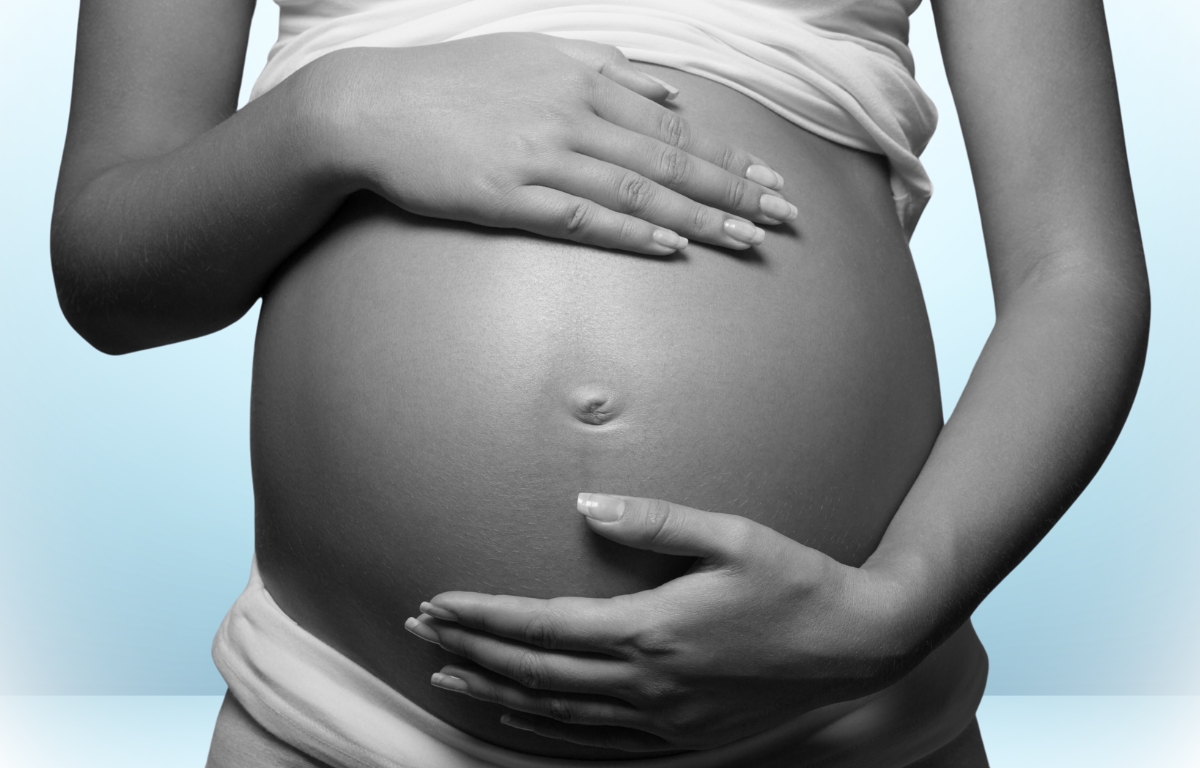
Women’s Health
Specialist Pelvic Health & Postnatal Physiotherapy
Many women live with pain, bladder or bowel issues, or postnatal changes because they’ve been told it’s “just part of being a woman.” It isn’t. Ongoing discomfort, loss of control, or pain during daily life is not something you have to accept.
At Recover Physio, we provide specialist Women’s Health Physiotherapy in Norwich, helping women regain comfort, confidence, and control at every stage of life. Using evidence-based treatment and a discreet, supportive approach, we focus on long-term recovery — not just managing symptoms — so you can move, exercise, and live without restriction.
What Is Women’s Health Physiotherapy?
Women’s Health Physiotherapy (also known as pelvic health physiotherapy) is a specialist area focused on the unique physical health needs of women.
It involves assessment and treatment of conditions affecting the:
- Pelvic floor
- Bladder function
- Core and abdominal muscles
- Musculoskeletal system
Our specially trained women’s health physiotherapists in Norwich support women through every life stage:
Pregnancy & Postnatal Recovery
Managing pregnancy-related pain, preparing the body for birth, and restoring strength and function after delivery.
Pelvic Health
Treating pelvic floor dysfunction, incontinence, pelvic organ prolapse, and pelvic pain with discreet, evidence-based care.
Menopause & Beyond
Supporting bone density, muscle strength, joint health, and managing aches and stiffness related to hormonal change.
Our clinicians have undertaken advanced postgraduate training in women’s health to ensure you receive specialist, tailored care.
Common Women’s Health Conditions We Treat
We treat a wide range of pelvic and musculoskeletal conditions using clinically proven techniques designed to address the root cause, not just symptoms. They include:
Pelvic Floor Dysfunction
Your pelvic floor muscles support your bladder, bowel, and pelvic organs. When these muscles are weak, overactive, or poorly coordinated, symptoms can develop.
- Urinary Incontinence & Overactive Bladder: Leakage during coughing, sneezing, exercise, or urgency to pass urine are common — but treatable. Pelvic floor physiotherapy is recognised as first-line treatment for stress and urge incontinence.
- Pelvic Organ Prolapse: A sensation of heaviness, dragging, or bulging can indicate prolapse. Tailored strengthening programmes and pressure management strategies can significantly improve symptoms and support pelvic stability.
Pelvic Pain Conditions
Persistent pelvic pain can feel isolating, but specialist physiotherapy can help.
- Painful Intercourse (Dyspareunia): Pain during or after sex is common but not normal. Treatment focuses on releasing overactive pelvic floor muscles, improving tissue mobility, and addressing contributing biomechanical factors.
- Chronic Pelvic Pain: We combine manual therapy, movement retraining, breathing strategies, and nervous system desensitisation to reduce long-standing pain.
Physiotherapy During Pregnancy
Pregnancy creates significant physical changes. Specialist physiotherapy can reduce pain and support functional movement.
- Pelvic Girdle Pain (PGP): Pain around the pelvis, hips, or sacroiliac joints is common. Treatment focuses on load management, stability, and mobility.
- Lower Back Pain: As posture and weight distribution change, back pain can develop. Physiotherapy reduces strain and supports safe activity.
- Pregnancy-Related Carpal Tunnel Syndrome: Fluid retention and hormonal shifts can compress nerves in the wrist. Targeted exercises and manual therapy relieve symptoms.
Postnatal Recovery Physiotherapy
Recovery after childbirth is essential — whether you had a vaginal delivery or C-section.
- Diastasis Recti (DRAM): Abdominal separation during pregnancy can affect core stability. Rehabilitation restores strength safely and progressively.
- Coccyx (Tailbone) Pain: Manual therapy and pelvic floor retraining help reduce discomfort and restore sitting comfort.
- Perineal & C-Section Scar Pain: Scar mobilisation improves tissue mobility, reduces sensitivity, and supports optimal healing.
- Rib Flare & Postural Changes: Breathing retraining and core rehabilitation restore alignment and reduce discomfort.
- “Mummy’s Wrist” (De Quervain’s): Repetitive lifting and feeding strain the wrist and thumb. We provide load management and strengthening strategies.
- Return to Exercise: We guide safe return to running, gym, yoga, and sport through structured progression and pelvic floor testing.
Menopause Support Physiotherapy
Menopause can affect:
- Bone density
- Joint mobility
- Muscle strength
- Pelvic floor function
We create tailored exercise programmes to maintain strength, reduce stiffness, and support long-term physical health.
Your First Appointment: What to Expect
We understand that attending a women’s health appointment can feel daunting. Your comfort, dignity, and consent are always our priority.
Confidential Conversation
You’ll have time to discuss symptoms, concerns, and goals in a private setting.
Comprehensive Assessment
This may include posture, movement, muscle strength, and — if appropriate and with your consent — a gentle internal pelvic floor examination.
Clear Recovery Plan
We explain findings clearly and provide a personalised roadmap, empowering you to take control of your recovery.
Meet Our Women’s Health Team
Our Women’s Health service is led by specialist therapists dedicated to supporting women at every life stage.
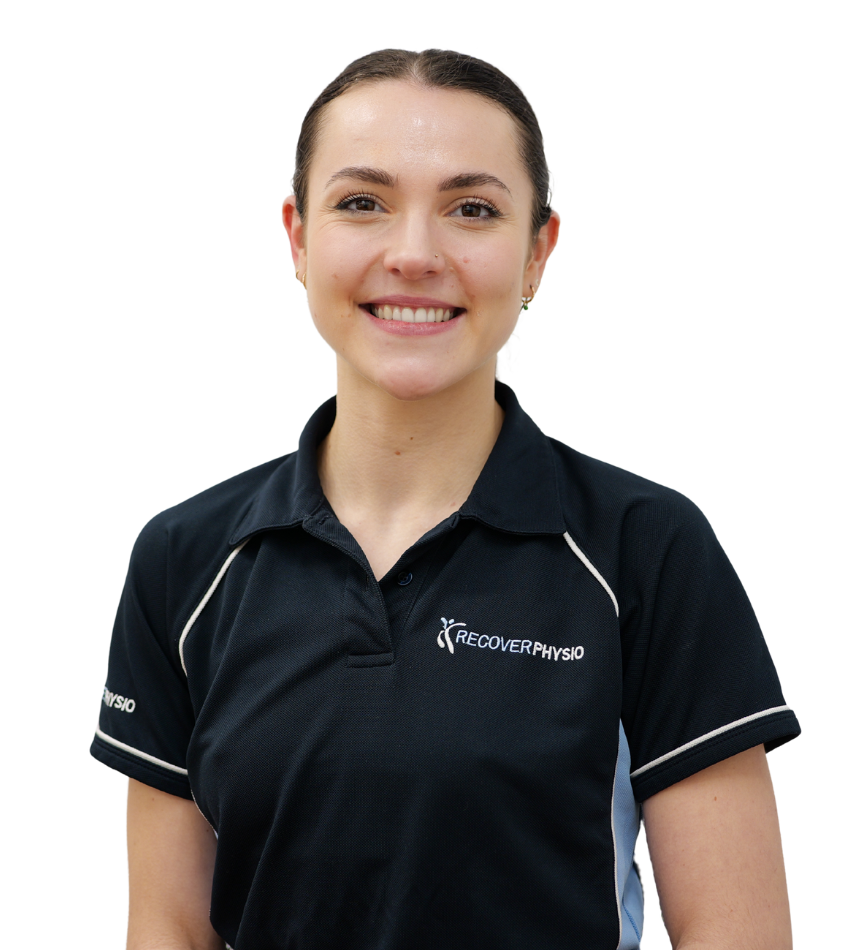
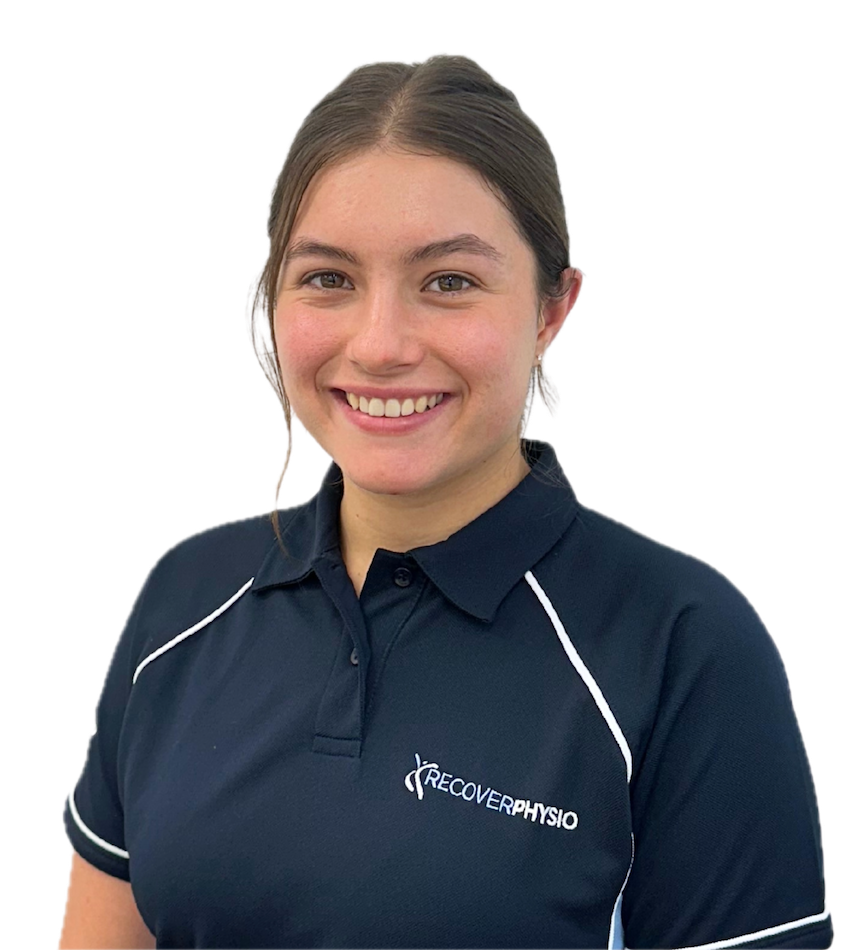
Sophia Smith – Chartered Physiotherapist with advanced training in Women’s Health and Pilates.
Mel Lake – Experienced Soft Tissue Therapist providing integrated musculoskeletal care.
Leah Upton – Chartered Physiotherapist treating musculoskeletal issues, post-operative rehabilitation and pregnancy pain
Together, they provide comprehensive, personalised treatment.

Speak to a Therapist
If you would like to discuss your symptoms before booking, you can request a free callback from one of our therapists.
At Recover Physiotherapy, we are committed to helping with managing women’s health to improve your quality of life. Our experienced team combines advanced physiotherapy techniques with a personalised approach to provide effective and lasting solutions. Our physiotherapists have been trained by world leading experts and developed a systematic approach. This gives us confidence in finding the root cause for your aches & pains in order to plan a custom roadmap for recovery.
Find your nearest Recover Physio branch
If you’d like to book a consultation, you can book online at our Princes Street clinic in Norwich, Norfolk, or our clinic at The Nest, Holt Road, Norwich.
Princes Street, Norwich City Centre
Our Princes Street clinic is the flagship clinic of Recover Physio, situated in the heart of Norwich city centre in Tombland.
The Nest, Holt Road
Our clinic at The Nest serves customers in Norwich and surrounding areas of North Norwich and Norfolk.
Join Hundreds of Happy Customers
Mel has been instrumental in helping me manage, and root out the cause of chronic pain I’ve been experiencing in my head and neck. Her sessions provide relief, and she has been able to point me in the direction of physical therapists who were able to refer me on to further testing and scans. I’d highly recommend seeing her to help manage your pain, she is incredibly professional and is able to provide a number of different massage therapies with academic knowledge base.Rae Recover Physio Client – Princes Street
Feeling like I am now on the final part of the journey following a stroke last year. My physio was amazing giving me exercises I could manage and reassuring me at every step. Thank you all so much for you help and encouragement. DonnaDonna Recover Physio Client – The Nest
Women’s Health FAQs
A women’s health physiotherapist treats pelvic floor dysfunction, incontinence, pelvic pain, prolapse, pregnancy-related pain, postnatal recovery issues, and menopause-related musculoskeletal changes.
No. Appointments are confidential, professional, and respectful. Internal assessment is always optional and only performed with full consent.
This depends on your condition and goals. Many women notice improvement within 3–6 sessions, though more complex issues may require longer-term rehabilitation.
Yes. Pelvic floor muscle training is recognised as first-line treatment for urinary incontinence and can significantly improve or resolve symptoms.
No. You can book directly with our private women’s health physiotherapists in Norwich without a referral.