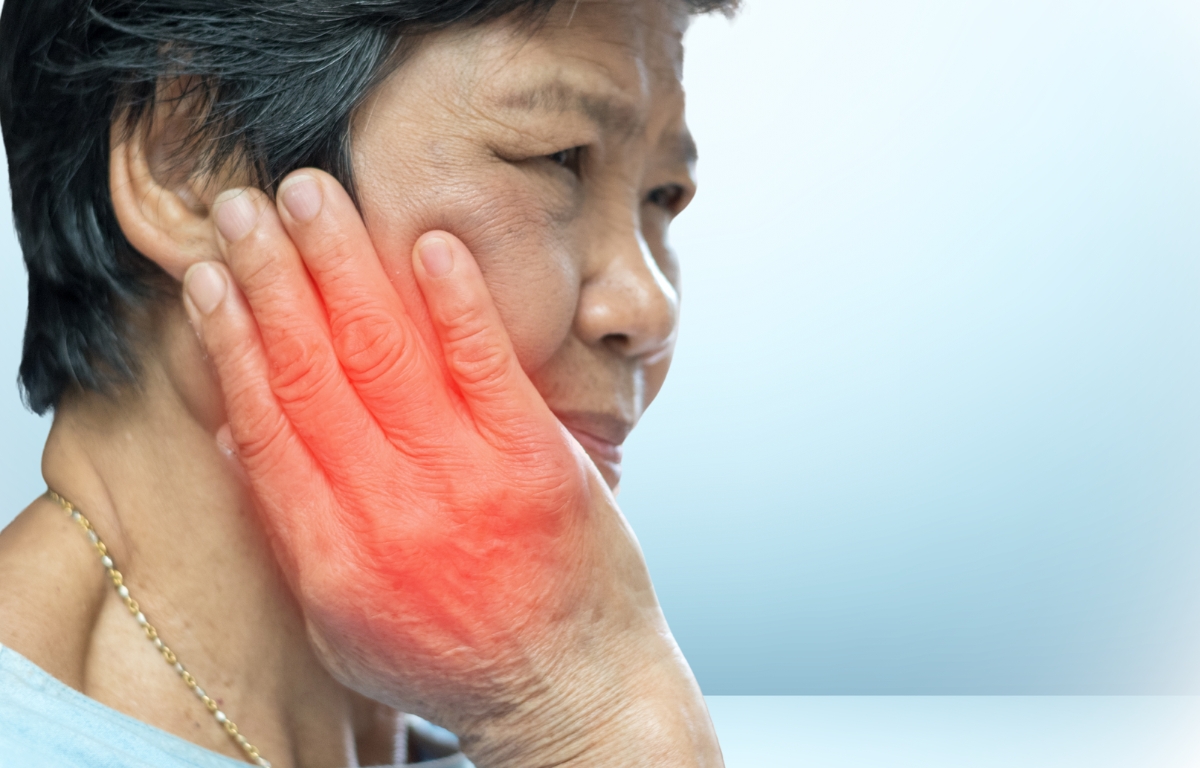
What causes temporomandibular joint disorder?
A variety of factors could be responsible for causing TMJ disorder in an individual. These include:
- Injuries: A past injury to your jaw or face can impact your TMJ’s health.
- Bruxism: another term for teeth grinding or clenching, which can lead to joint strain.
- Arthritis: Joint inflammation from arthritis can affect the TMJ, causing pain and stiffness.
- Muscle tension: Stress can lead to muscle tightness around your jaw and neck.
- Jaw misalignment: When your bite isn’t properly aligned, your TMJ may overcompensate.
- Displaced joint disc: The cushioning disc within the TMJ can become dislocated, leading to discomfort.
Can physiotherapy help treat TMJ disorder?
TMJ Physiotherapy and soft tissue therapy can be a safe and effective treatment if done by a qualified physiotherapist. If you believe that your pain and discomfort is being caused by TMJ disorder, don’t wait for the symptoms to worsen, speak to a professional as soon as you can.
A physiotherapist will be able to determine whether your TMJ is the cause for your symptoms and prepare a personalised treatment plan like the ones we provide at Recover Physiotherapy. While it’s best to get a consultation as early as possible, we can assess you at any stage of the process and get started on recovery immediately. There are also steps you can take yourself at home to promote healing.
What are common physiotherapy treatments for TMJ?
There are many ways that TMJ can be addressed, either at home or by professionals, or with a long-term treatment plan that combines both. When it comes to professional consultations, a qualified therapist can apply the following methods to treat TMJ disorder:
- Massage techniques to help relieve the muscular tension in the jaw, face, and neck
- Dry needling or acupuncture to reduce your pain or reduce inflammation in the area
- Joint mobilisation to improve alignment of the jaw
- Neck and upper back treatment to help with postural strain on the TMJ
As part of your recovery plan, your therapist might also assign some exercises for you to do at home to accelerate recovery, such as:
- Using warm or cold compresses to ease pain
- Adopting a soft food diet to give your jaw time to rest
- Teaching jaw relaxation exercises and stress management techniques
- Gentle jaw exercises to improve strength and mobility
- Stretching and relaxation techniques to ease muscle tightness
On top of the manual and postural work, treatment can also include supportive devices if teeth grinding and clench is a concern. In that case, there should be collaboration with a dentist or orthodontist to recommend mouthguards or night splints to reduce pressure on your jaw.
What results can you expect?
After physiotherapy treatment for your TMJ disorder, you can expect a variety of benefits, such as:
- Pain Relief: By targeting tight muscles and reducing joint stiffness, manual therapy can significantly ease pain caused by a TMJ-related condition.
- Improved Jaw Function: Increasing the flexibility and mobility of the TMJ allows you to chew, talk, and yawn with greater ease.
- Reduced Headaches and Facial Pain: TMJD often leads to tension headaches and facial discomfort, which can be alleviated through gentle manipulation.
- Holistic Relief: Since TMJD can affect the entire face, neck, and upper back, manual therapy provides relief by treating these interconnected areas.
How Recover Physiotherapy Can Help
Depending on your needs, treatment for your TMJ disorder can involve several sessions or become an integral part of your routine.
If you would like to know more you can speak to one of our friendly therapists. Just click below to request a callback from a member of our team!