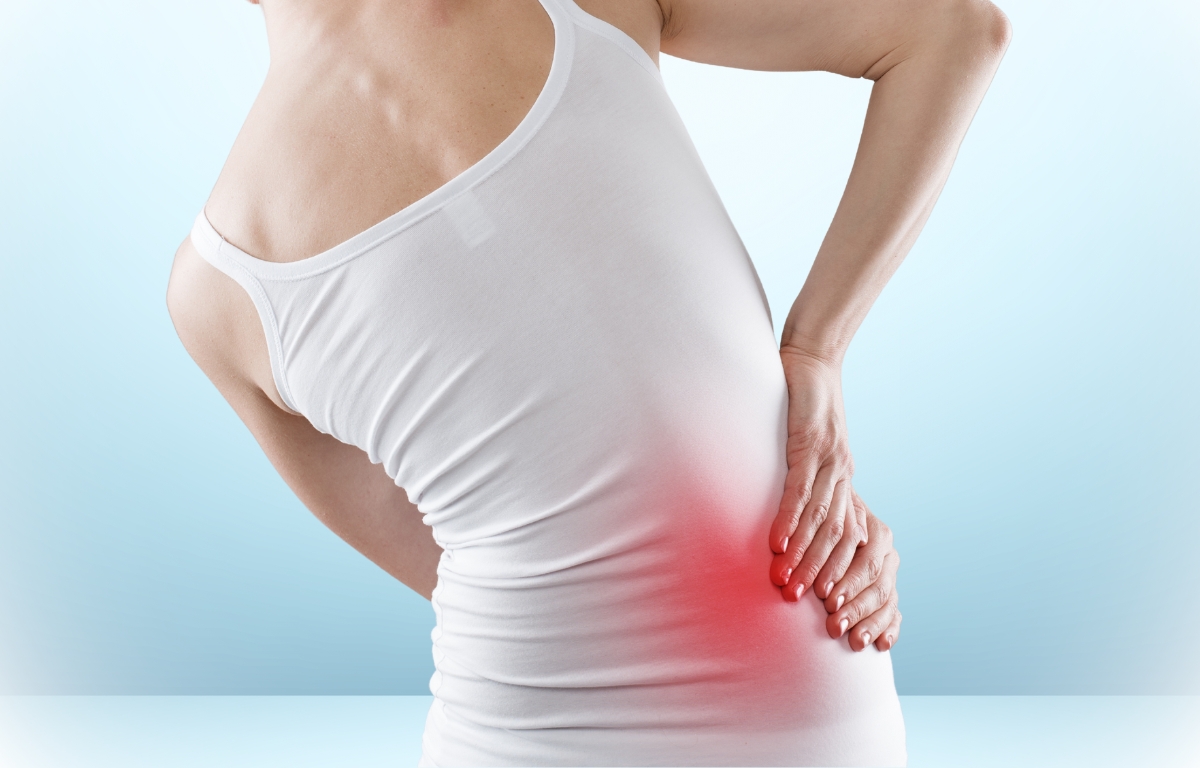
What is the Main Cause of Hip Pain?
The hip is a complex, weight-bearing joint that works hard every day to support movement and stability. Because of this, it can be affected by a range of problems.
As one of Norwich’s busiest physiotherapy clinics, we see hip pain caused by several key conditions, including:
- Osteoarthritis: Wear and tear leading to stiffness and pain especially morning stiffness
- Tendon-related pain (Tendinopathy): Often from overuse, affecting the gluteal tendons on the side of the hip.
- Bursitis: Inflammation of the small sacs that cushion the joint.
- Muscle Strains: Overstretching muscles around the hip and groin.
- Referred Pain: Sometimes the pain can be referred from the lower back into the hip, making it important to include low back assessment when working with hip pain.
One of the common hip injuries we see are hip flexor strains. Learn more about hip flexor pain treatment here.
Common Triggers: What Flares Up Hip Pain?
Hip pain often extends beyond the underlying condition and can be made worse by certain day-to-day activities. Some of the common triggers include:
- Prolonged sitting or standing in one position, which can put stress on the hip joint and surrounding tissues.
- A sudden increase in activity levels, such as starting a new exercise routine or doing more than your body is used to.
- Repetitive movements like climbing stairs, running, or cycling, which can overload the tendons and muscles around the hip.
- Sleeping on the affected side, which may compress irritated tissues and worsen pain.
Understanding your personal triggers is an important first step in managing hip pain. By recognising what makes your symptoms worse, you can make small adjustments to daily habits and activities that reduce strain and help your hip recover more.
If you’re unsure what’s aggravating your pain, our physiotherapists can identify your triggers and design a plan that fits your lifestyle.
Is it Better to Rest or Exercise with Hip Pain?
A common misconception is that complete rest is the best way to recover from hip pain.
In reality, staying totally inactive can actually slow healing and lead to stiffness, weakness, and a longer recovery.
Instead, physiotherapists recommend relative rest. This means avoiding movements or activities that make your pain significantly worse, while still keeping your body active.
Gentle, guided movement and targeted exercises are key to helping the hip recover.
They not only reduce pain but also strengthen the joint, improve mobility, and lower the risk of the problem coming back.
Hip Pain in Runners: A Common Challenge
Running is high-impact, and the hips take on much of the load. This makes runners more prone to conditions such as gluteal tendinopathy (pain on the outer hip) and iliotibial (IT) band syndrome (pain on the outside of the hip and thigh).
These injuries are often the result of muscle imbalances, training errors (like increasing mileage too quickly), or running biomechanics that place extra strain on the hip.
Physiotherapy can help by identifying the root cause, addressing muscle weaknesses, improving movement patterns, and guiding you through a tailored rehab plan.
Addressing biomechanics covers the root cause and prevents the problem from recurring.
In some cases, shockwave therapy can help chronic tendon pain that hasn’t improved with exercise.
When Should You Not Ignore Hip Pain?
Some symptoms require immediate medical attention and we advise visiting A&E. These include:
- Severe, sudden pain after a fall or injury.
- Inability to move your leg or bear weight on the affected side.
- Signs of infection, such as fever, redness, and warmth around the joint.
- Changes in bladder or bowel control, or numbness around the genital area.
If you’re not sure whether your symptoms need urgent care or physiotherapy assessment, call us and we’ll advise you.
Should I See a Doctor or a Physio for Hip Pain?
Physiotherapists are the musculoskeletal experts. We carry out a detailed assessment to identify the mechanical root cause of your pain and provide a tailored plan that includes hands-on treatment, exercise, and advice. Meanwhile, GPs are sometimes needed to manage medication for pain relief or inflammation if over the counter are insufficient.
Our Expertise in Hip Pain Physiotherapy
At Recover Physiotherapy, every clinician is HCPC-registered and a member of the Chartered Society of Physiotherapy (MCSP). Our team has extensive experience treating hip and groin pain in active adults, runners, and those with arthritis or post-surgical stiffness.
We use the latest evidence-based rehabilitation methods, combining manual therapy, progressive exercise, and movement retraining to restore function and prevent recurrence.
With clinics in Norwich city centre (Princes Street) and The Nest, Holt Road, our patients benefit from expert care and convenient access across Norfolk.
How Our Physiotherapists Provide Lasting Relief from Hip Pain
At Recover Physio, we start with a thorough assessment to find the root cause of your hip pain. Treatment may include joint mobilisation, soft tissue massage, and a personalised exercise plan to improve strength and mobility.
We also provide education and advice to help you manage pain and prevent future flare-ups. Our goal isn’t just short-term relief. We aim for long-term recovery, addressing the cause of your pain so you can move better and stay pain-free.
All our physiotherapists are HCPC-registered and members of the Chartered Society of Physiotherapy (MCSP), and combine hands-on treatment with progressive rehabilitation plans tailored to your goals.
Does Hip Pain Ever Get Better?
With an accurate diagnosis and a consistent, tailored physiotherapy programme that includes manual therapy, most people can significantly reduce hip pain and get back to the activities they love.