
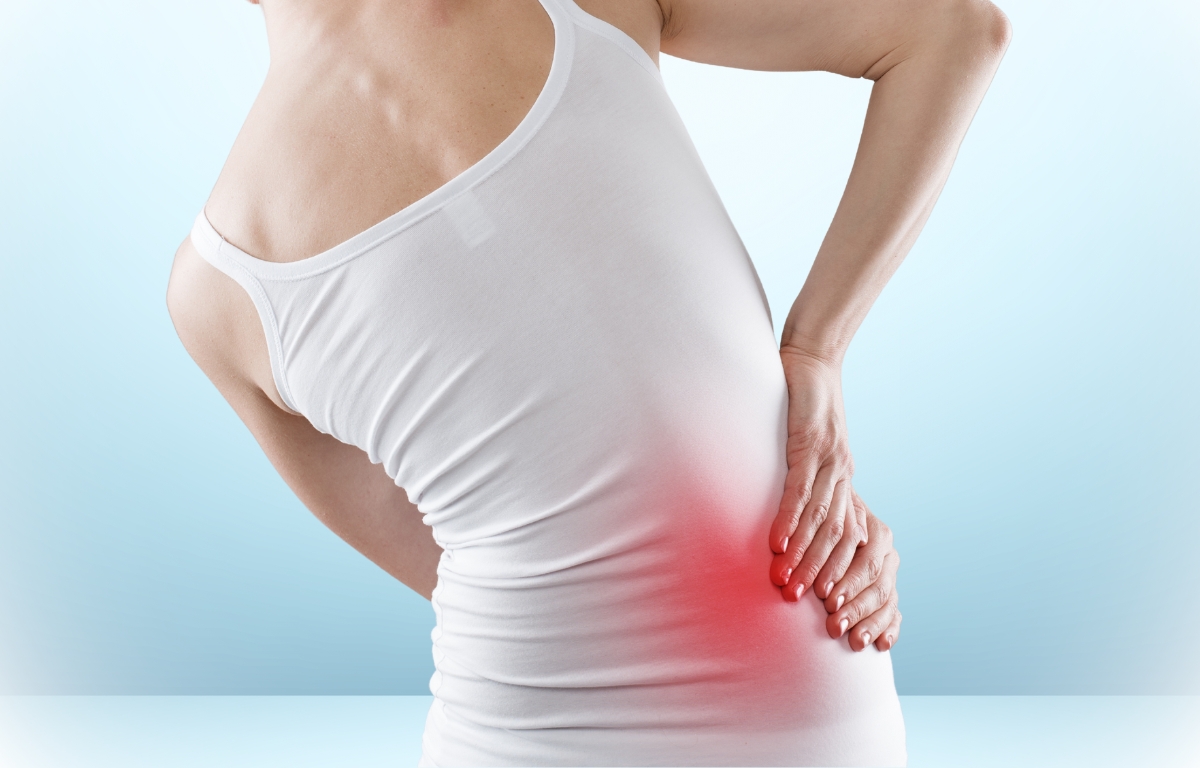
Hip Flexor Strain Treatment

Hip Flexor Pain Treatment

Whether you lead an active or sedentary lifestyle, hip flexor pain can affect anyone. This discomfort can disrupt your daily routine and prevent you from enjoying your favourite activities.

Left untreated, hip flexor pain can significantly impact your mobility and reduce your quality of life.

If you’ve recently experienced hip flexor pain or are looking for ways to prevent it, physiotherapy offers an effective approach to both treatment and prevention.

What Causes Hip Flexor Pain?

The hip flexor muscles are responsible for key movements such as lifting your knee towards your chest and rotating your leg. When these muscles are strained, these actions can become painful or difficult.

Hip flexor strains are classified into three grades:

  • Grade 1: Mild overstretching with minimal pain and little effect on movement.
  • Grade 2: A moderate tear that causes noticeable discomfort, limits activity, and may reduce strength.
  • Grade 3: A complete rupture, which is rare but may require surgery and extended recovery time.

Physiotherapy can provide significant benefits for all grades of hip flexor strain. However, strains aren’t the only cause of hip pain. Other conditions such as arthritis, bursitis, labral tears, or hip impingement may also contribute to discomfort in this area, so a thorough assessment and diagnosis is key.

Should You See a Physiotherapist?

In some cases, hip flexor pain resolves on its own. However, if the pain lasts more than a few days, worsens, or starts to interfere with your daily life, you should consider seeing a physiotherapist.

Signs of a more serious injury include:

  • Significant swelling or bruising
  • Difficulty walking or standing
  • Pain that intensifies during activity

A physiotherapist will assess your injury, diagnose the cause of the problem and create a personalised treatment plan to address your hip flexor pain.

Who Is at Risk of Hip Flexor Strain?

Hip flexor pain can affect anyone, but certain factors increase the risk:

  • High-intensity sports involving running, kicking, or quick changes in direction
  • Prolonged sitting, which can tighten and weaken the hip flexor muscles
  • Having a sudden increase in exercise intensity or frequency

To minimise your risk, engage in stretching, strengthening exercises, and warm-up routines before physical activity. These will be provided by your Physiotherapist. 

What Are the Symptoms of a Hip Flexor Strain?

Symptoms of hip flexor strain vary depending on the severity of the injury. Common signs include:

  • Sharp pain at the front of the hip or groin
  • Tenderness in the upper thigh or hip area
  • Difficulty lifting your knee, especially when walking or climbing stairs
  • Muscle tightness or spasms
  • Swelling or bruising in more severe cases

If these symptoms persist, seeking professional treatment is essential for a full recovery.

How Can Physiotherapy Help?

Physiotherapy is a highly effective solution for managing and treating hip flexor pain. At Recover Physiotherapy, we focus on providing personalised care tailored to your needs and recovery goals.

Our bespoke treatment plans may include:

  • Hands-on techniques such as soft tissue massage techniques and joint mobilisation
  • Exercises to improve flexibility, strength, and hip stability
  • Guidance on movement patterns, warm ups and reducing muscle imbalances

This comprehensive approach not only relieves pain but also restores full function and helps prevent future injuries.

Why Choose Recover Physiotherapy?

At Recover Physiotherapy, we’re dedicated to helping you overcome hip flexor pain and enhance your quality of life. Our experienced physiotherapists use advanced techniques and a systematic approach to pinpoint the root cause of your pain.

From initial consultation to recovery, our team will work with you to create a customised roadmap for treatment. Whether your goal is returning to sport, improving mobility, or simply resuming daily activities, we’re here to support you every step of the way.

Book Your Hip Flexor Pain Consultation
If you’d like to address your hip flexor pain, you can book a session at one of our Norwich clinics:

  • Princes Street Clinic: 18 Princes St, Norwich NR3 1AE
  • The Nest Clinic: Holt Rd, Horsford, Norwich NR10 3AQ

Arrange a free call with one of our Physiotherapists to see how we can help or book your appointment online by clicking the links below. We look forward to helping you soon.

Princes Street, Norwich City Centre

Our Princes Street clinic is the flagship clinic of Recover Physio, situated in the heart of Norwich city centre in Tombland.

The Nest, Holt Road

Our clinic at The Nest serves customers in Norwich and surrounding areas of North Norwich and Norfolk.


Frequently Asked Questions

How would I know if I pulled my hip flexor?

Common signs include a sharp pain at the very front of your hip or in your groin , which may feel tender to the touch in the upper thigh area. You might also find it difficult or painful to lift your knee towards your chest, especially when walking or climbing stairs. Muscle tightness or spasms in the hip region are also common symptoms.

What’s the fastest way to heal a hip flexor?

While initial rest is important, the most effective path to recovery involves a personalised treatment plan from a physiotherapist. This plan will likely combine hands-on techniques, such as soft tissue massage and joint mobilisation , with specific exercises to restore flexibility, build strength, and improve hip stability. This comprehensive approach not only relieves pain but also restores full function and helps prevent future injuries.

What should you not do with a strained hip flexor?

You should avoid activities that cause sharp pain, particularly high-intensity movements like running, kicking, or sudden changes of direction. It is very important not to “push through” the discomfort, as this can worsen the strain and delay healing. In the early stages, you should also avoid aggressive stretching of the painful muscle and try to limit prolonged periods of sitting, which can cause the hip flexors to tighten.

How long will a hip flex strain last?

The recovery time depends entirely on the severity, or “grade,” of the muscle strain. A mild (Grade 1) strain might resolve within one to three weeks with correct management. A more significant (Grade 2) tear will typically take longer, often four to eight weeks. A physiotherapist can provide an accurate diagnosis and a realistic recovery timeframe after a thorough assessment.